
What AWI Custom Grade Actually Means for Your Project
AWI grades get thrown around in specs and bids, but they have real consequences for quality, cost, and what you can hold a fabricator to. Here's a plain-English breakdown.
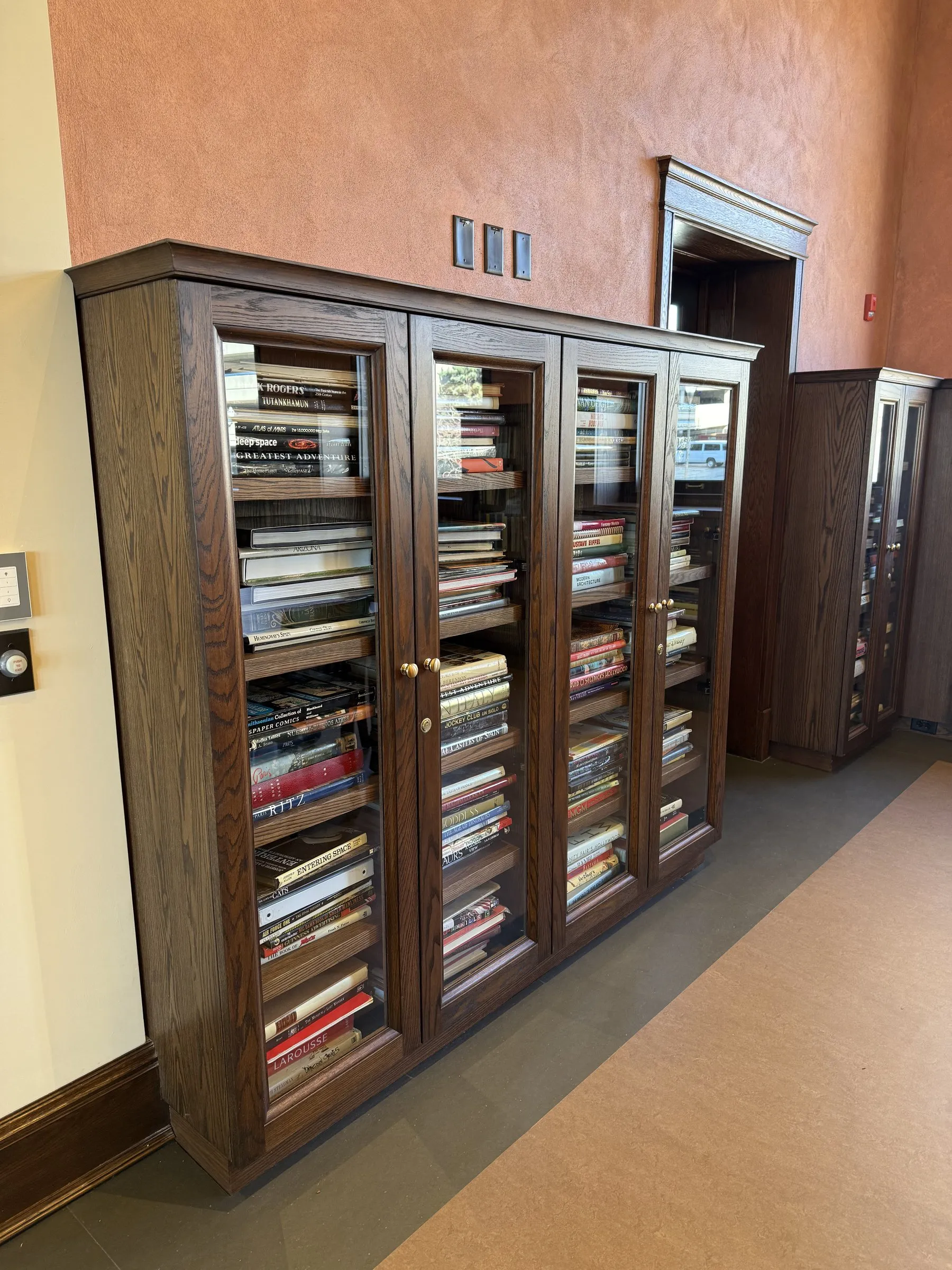
When you read “AWI Custom Grade” on a millwork spec, it isn’t marketing language — it’s a reference to the Architectural Woodwork Institute’s published standards, and it sets measurable expectations for materials, joinery, tolerances, and finish.
The three grades, briefly
AWI defines three quality grades:
- Economy — the baseline. Acceptable for back-of-house and budget-driven work, but looser tolerances and fewer material requirements.
- Custom — the workhorse grade for the vast majority of commercial interiors. Tight tolerances, quality materials, and the finish standard most architects expect.
- Premium — the highest grade, reserved for showcase work where every reveal and grain match is scrutinized.
Most commercial projects are specified and built to Custom Grade. It’s the sweet spot: durable, refined, and cost-appropriate for offices, retail, healthcare, and institutional work.
Why the grade matters to a GC or architect
A grade on the drawings is something you can hold a fabricator to. It governs flatness, gaps, edge treatments, hardware, and how veneer is matched across a run. When everyone is building to the same published standard, “quality” stops being subjective.
How we build to it
Every package we fabricate is produced to AWI Custom Grade as standard — verified against approved shop drawings before a board is cut, machined in-house for consistency, and finished under the same roof so color and sheen stay even across the job. If a project calls for Premium Grade on a feature element, we build to it.
Have a spec you want a read on? Send us your drawings and we’ll tell you exactly how we’d execute it.