
How to Read a Millwork Shop Drawing
Shop drawings are where a millwork package succeeds or fails before a board is ever cut. Here's what a PM or architect should actually check during submittal review.
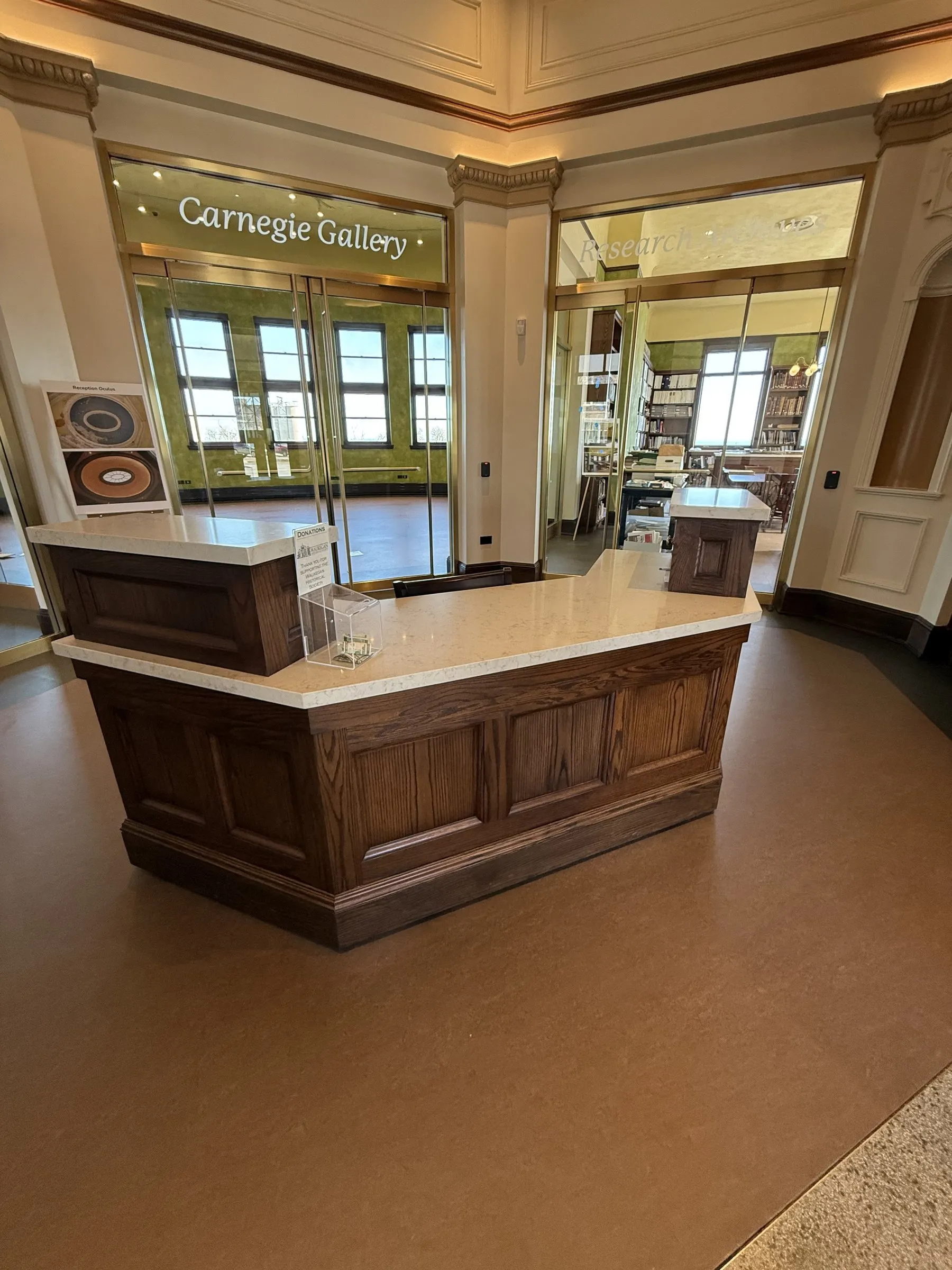
The shop drawing is the most important document in a millwork package. It’s where the fabricator translates the architect’s design intent into something buildable — and it’s your last clean chance to catch a problem before it’s been machined, finished, and trucked to the site. A careful submittal review saves change orders later.
Here’s what to look for.
What a shop drawing actually shows
Unlike design drawings, shop drawings are produced by the fabricator and show exactly what they intend to build: plans, elevations, and sections of each piece, plus large-scale details of the joinery, edges, and reveals. They call out materials, finishes, hardware, and the field dimensions the shop is working to. If the design drawing says what, the shop drawing says how.
Five things to check every time
- Dimensions against field conditions. Do the overall sizes match the as-built space, not just the design intent? Field-verified dimensions are what protect the install.
- Materials and finishes. Confirm the species, grade, laminate, edge treatment, and finish match the spec — and that veneer sequencing is called out where grain matters.
- Coordination. Look for clashes with MEP, electrical, blocking, plumbing, and structure. Reception desks and casework with integrated power and sinks are the usual trouble spots.
- Hardware and accessibility. Verify hinges, slides, locks, and any ADA transaction heights or knee-clearances are shown and correct.
- Grade. Make sure the drawing states the AWI grade being built (Custom for most commercial work) so quality is measurable, not assumed.
Common review mistakes
The biggest one is rubber-stamping. “Approved as noted” with vague notes creates ambiguity that gets resolved on the shop floor — not in your favor. Mark up clearly, and if something is unclear, ask before approval. The second mistake is reviewing in isolation: loop in the trades whose work intersects the millwork so coordination issues surface on paper, not on site.
A good fabricator wants this scrutiny — it’s how the finished work ends up matching the drawing. Have a package you want a second set of eyes on? Send us your drawings and we’ll tell you exactly how we’d build it.